Advertisement · Sponsored Content

Why a Simple Jar of Honey Keeps Showing Up in Everyday Morning Routines After 50

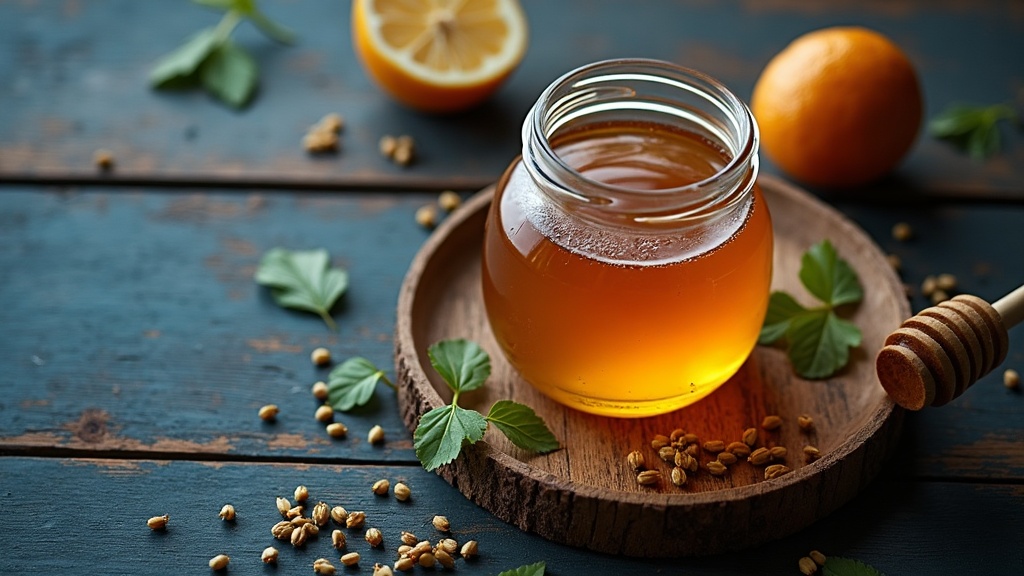
Long before modern supplements existed, many households kept a jar of honey on the counter as part of their daily rhythm. This video looks at where that habit came from and why it’s still talked about today — without promising any specific outcome.

An everyday tradition, revisited  ·  Understanding how routines change after 50  ·  A look at habits passed down through generations  ·  Educational content — not a medical claim

Why Memory Shifts After 50

Many people notice small changes in how they recall names, dates, or where they left their keys. Understanding what’s typically behind these shifts can help put daily experiences into context — long before honey or any other habit ever entered the conversation.

Slower Recall, Not Loss

Retrieving information can simply take a bit longer as the years go by — this is a normal and widely studied part of aging.

Sleep Quality Changes

Sleep patterns often shift after 50, and rest plays a well-documented role in how the brain organizes daily information.

Energy and Focus Dips

Afternoon fatigue or trouble concentrating can affect how easily new information sticks.

Less Novel Stimulation

Daily routines can become repetitive over time, and mental engagement naturally plays a role in staying sharp.

Myths vs Facts About Memory and Aging

There’s a lot of noise around memory and aging. Here’s a sober look at a few common claims.

MYTH

Memory decline is inevitable and identical for everyone.

FACT

Experiences vary widely; lifestyle, sleep, and daily habits all play documented roles.

MYTH

Only medication can support brain health after 50.

FACT

Diet, rest, and daily routines are widely recognized as foundational factors alongside any medical guidance.

MYTH

Natural ingredients like honey have no place in a health conversation.

FACT

Honey has a long history in traditional diets and continues to be studied for its general nutritional profile.

A Closer Look at the Method Discussed in the Video

The video walks through a simple three-part framework for understanding how a daily habit involving honey fits into a broader routine.

01

Understand the Tradition

The first step covers where this everyday habit originated and why it persisted across generations and cultures.

02

See How It Fits a Routine

The second step looks at how such habits are typically incorporated into a morning or evening routine, without disrupting daily life.

03

Learn What the Research Says

The final step reviews what current, general research says about honey’s nutritional composition — presented for educational purposes only.

Where This Tradition Comes From

Honey has been part of household routines for centuries, referenced in old texts and passed down through family kitchens long before modern wellness trends existed. Many cultures incorporated a small daily spoonful as part of breakfast or evening rituals, treating it as a pantry staple rather than a remedy. Today, general nutritional research continues to study honey’s natural composition, including its sugars, trace minerals, and antioxidant compounds — though findings should not be interpreted as medical claims.

Insight: Long-standing kitchen traditions often persist not because of a single dramatic effect, but because they’re simple, low-cost, and easy to repeat daily.

Signs People Often Pay Closer Attention To

Misplacing Everyday Items

Frequently searching for keys, glasses, or a phone in unusual places.

Forgetting Recent Conversations

Struggling to recall details from a conversation that happened earlier the same day.

Losing Track Mid-Task

Walking into a room and forgetting the original reason for going there.

Difficulty With Names

Taking longer than usual to recall the name of someone recently met.

Trouble Following Multi-Step Instructions

Needing to re-read or re-hear instructions that involve several steps.

Increased Reliance on Notes

Writing down more reminders than in previous years to keep track of daily tasks.

What People Are Saying

I started paying more attention to my morning routine after watching this. It gave me a lot to think about.

Diane R.
Illustrative account
The video was straightforward and didn't feel like a sales pitch. I appreciated the historical context.
Walter H.
Illustrative account
I didn't expect a video about a kitchen staple to be this informative. Worth the fifteen minutes.
Carol M.
Illustrative account

These testimonials reflect individual opinions and experiences. They are not a guarantee of any specific outcome, and results vary from person to person.

Frequently Asked Questions

The video discusses a topic related to daily routines and honey. Any products mentioned are presented for informational and educational purposes.

No. Nothing in this content should be interpreted as a medical claim, treatment, or cure. Always consult a healthcare professional for any health concerns.

It’s intended for adults 50 and older who are curious about traditional daily habits and general nutrition topics.

It’s a short, easy-to-follow video designed to be watched in one sitting.

There is ongoing general nutritional research on honey’s composition. This content summarizes publicly available information for educational purposes only.

No. The video itself is free to watch.

No. This content is educational only and does not replace guidance from a qualified healthcare provider.

Curious About the Full Story?

Watch the video to see the complete explanation, including the historical background and the general research discussed.

Advertising Disclosure: This is sponsored content created for advertising purposes and may contain affiliate links. If you make a purchase through a link on this page, we may receive compensation at no additional cost to you. This page is intended to inform and direct interested readers to further information.

Content Disclaimer: The content on this page is provided for educational and informational purposes only. It has not been evaluated by the Food and Drug Administration (FDA). Nothing on this page is intended to diagnose, treat, cure, or prevent any disease. Always consult a qualified healthcare professional before making any changes to your diet, lifestyle, or health routine.

Results Disclaimer: Individual results vary. Any testimonials, opinions, or experiences shared on this page are personal in nature and are not a guarantee, promise, or assurance of any specific outcome for any individual.

© 2026 · All Rights Reserved · /contact/